Everett, WA · Port Gardner to Silver Lake
Water Damage Restoration Everett, WA
24/7 water damage restoration in Everett, WA. The restoration team extracts standing water, dries the structure to the IICRC S500 standard and documents every step for your insurance claim.
(888) 509-1696Call now for emergency water removal in Everett- 24/7 dispatch
- IICRC S500 drying standard
- Truck-mounted extraction
- Daily moisture readings
First steps
What to do while the water is still moving
- 1
Shut the main
Close the main valve or the fixture valve to stop new water.
- 2
Kill wet circuits
Only from a dry panel, and only if you can reach it safely.
- 3
Stay out of it
Keep clear of standing water near outlets and appliances.
- 4
Photograph first
Wide and close photos before anything is moved or tossed.
- 5
Lift and call
Get rugs and valuables up, then call. Mold can start in 24 to 48 hours.
What the restoration team handles
Water Damage Restoration Services in Everett, WA
Water and sewage only, from the first pump-out to a verified dry reading, across Everett and Snohomish County.
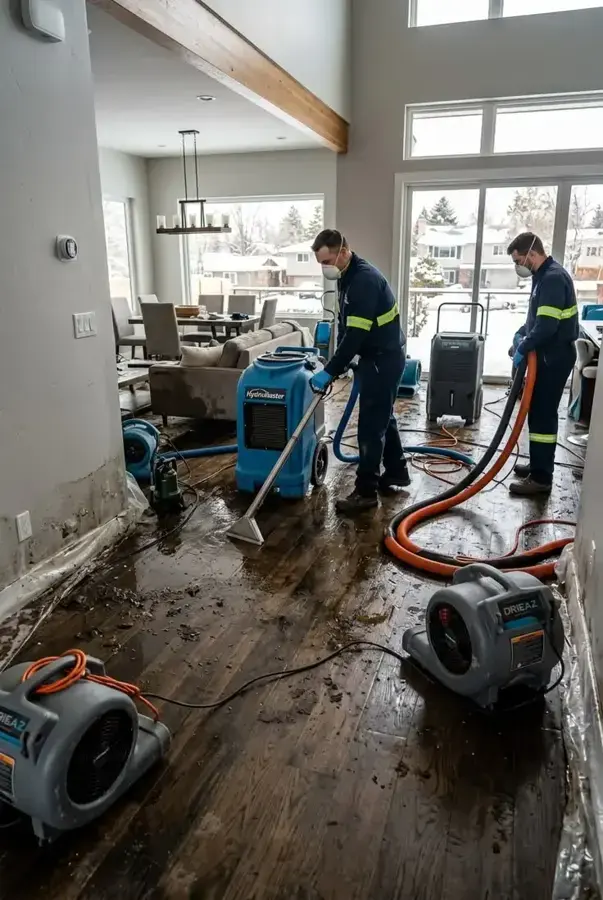 No. 01Emergency Water RemovalTruck-mounted pump-out of standing water, the first move on every Everett loss.View service
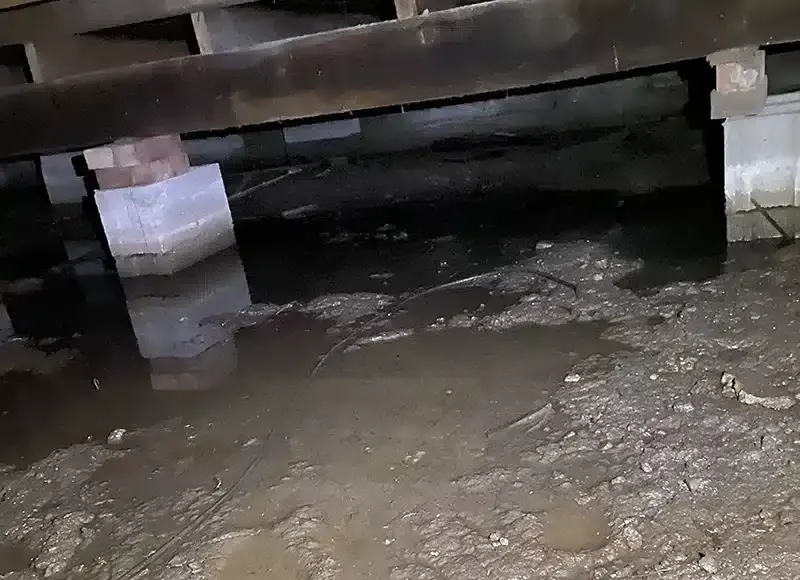 No. 02Crawl Space Water DamageRain-season water pooled on the vapor barrier, pumped out and dried.View service
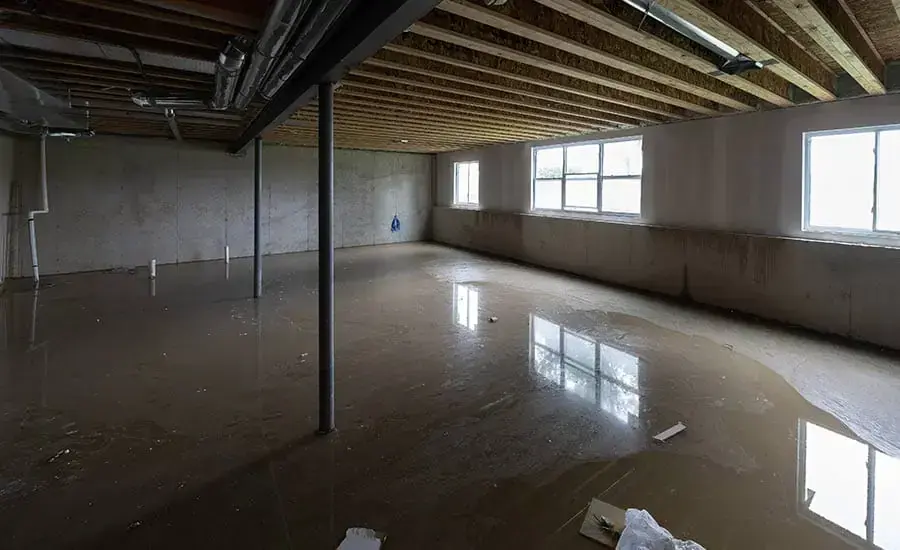 No. 03Basement Flooding CleanupOld north-end basements and bluff-side daylight basements extracted and dried.View service
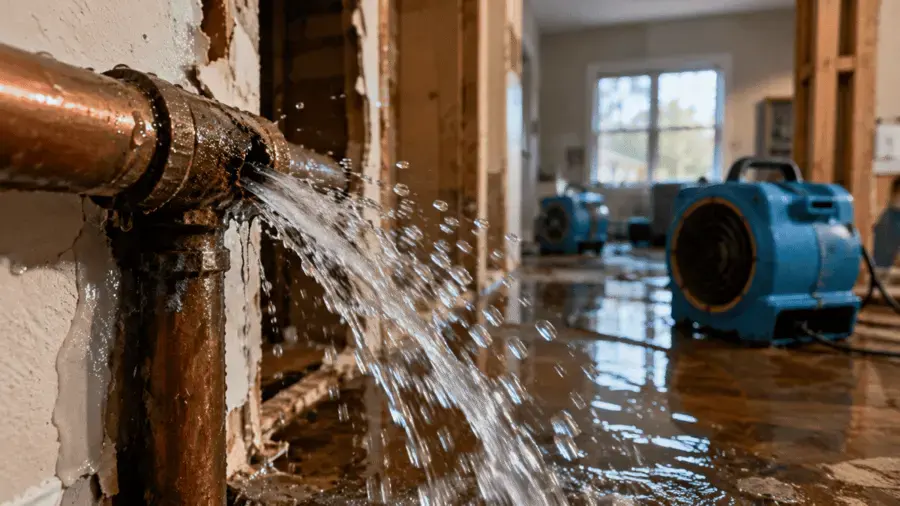 No. 04Burst Pipe CleanupSplit galvanized, copper or poly lines: water out, every cavity dried.View service
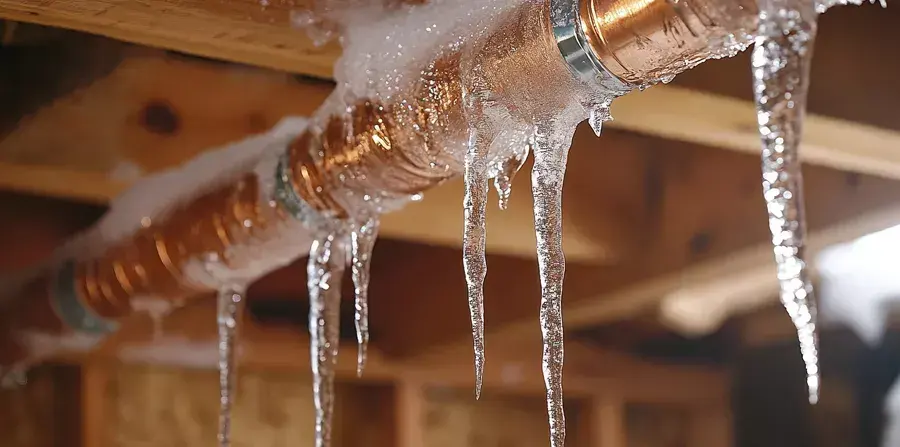 No. 05Frozen Pipe CleanupCold-snap splits in crawl spaces and exterior walls, dried inside the cavity.View service
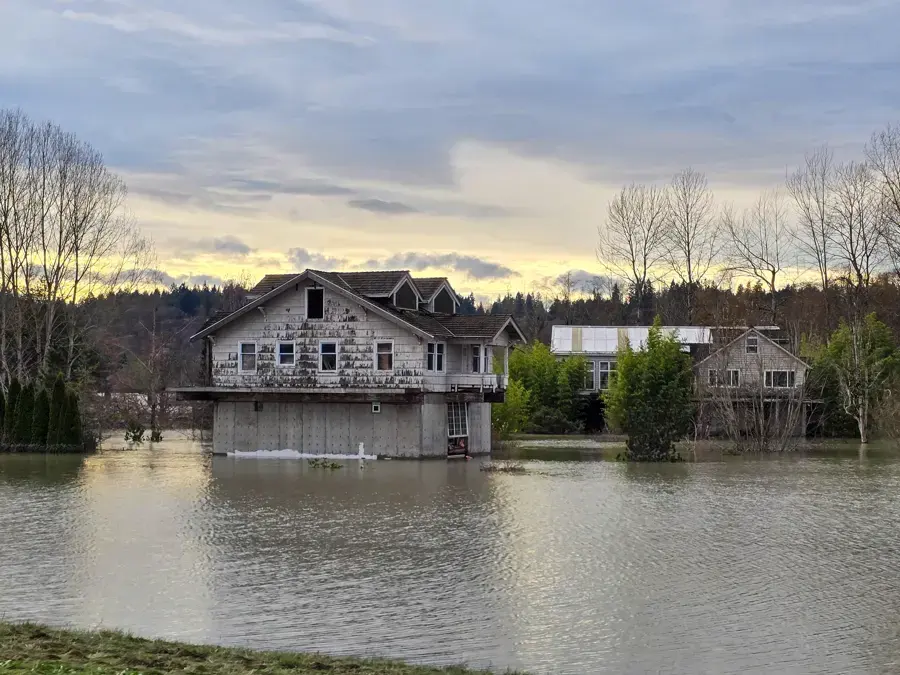 No. 06Storm & River Flood CleanupAtmospheric river and Snohomish River water pulled out and disinfected.View service
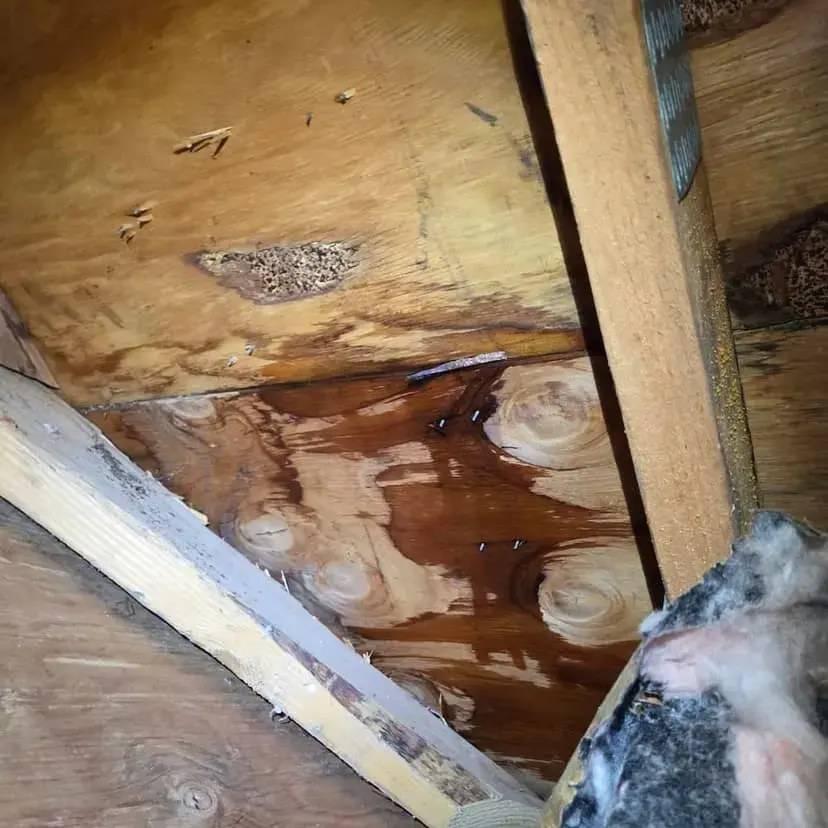 No. 07Roof Leak Water DamageRain through moss-clogged valleys and flashing, dried from attic to ceiling.View service
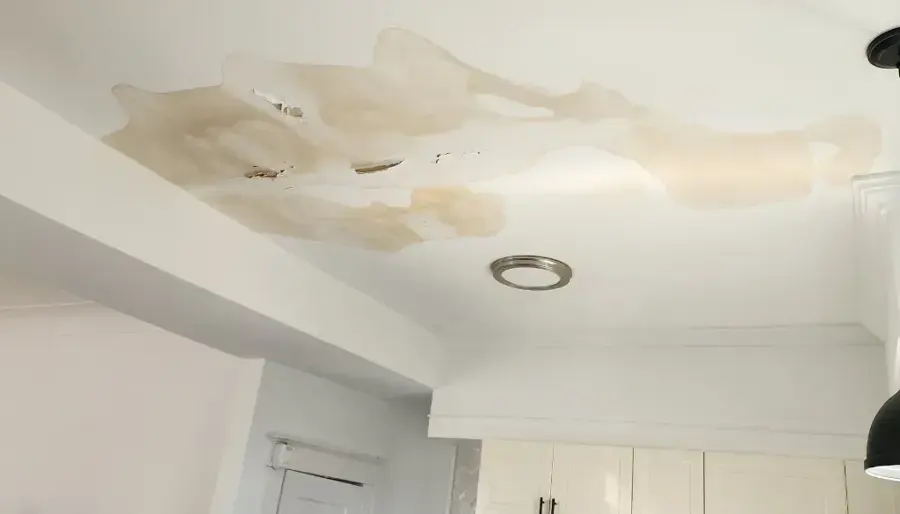 No. 08Ceiling Leak Water DamageUpstairs bath, condo and apartment leaks traced and dried in place.View service
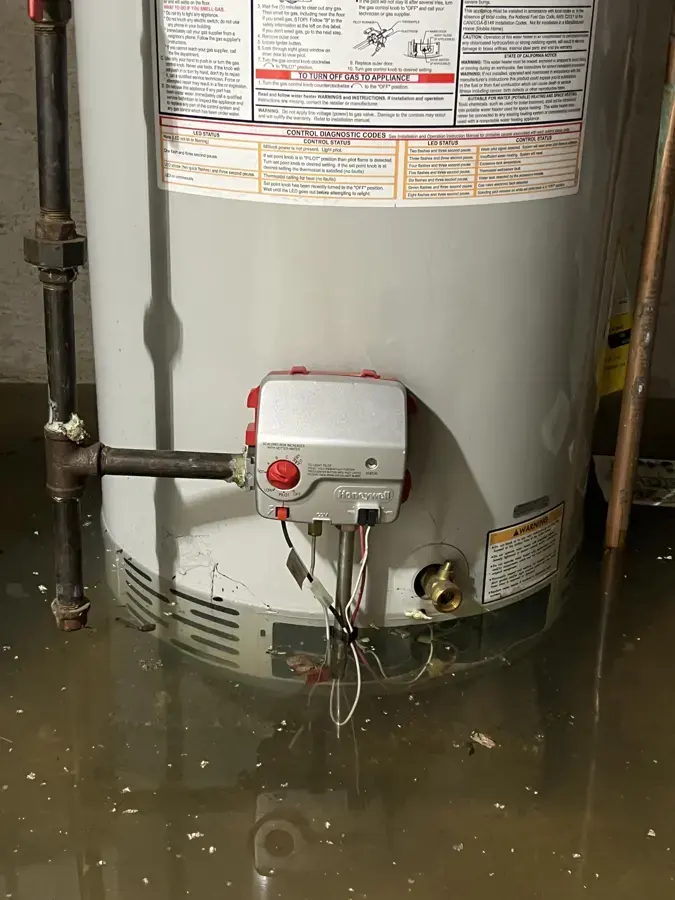 No. 09Water Heater Failure CleanupTank ruptures in garages, closets and crawl spaces extracted and dried.View service
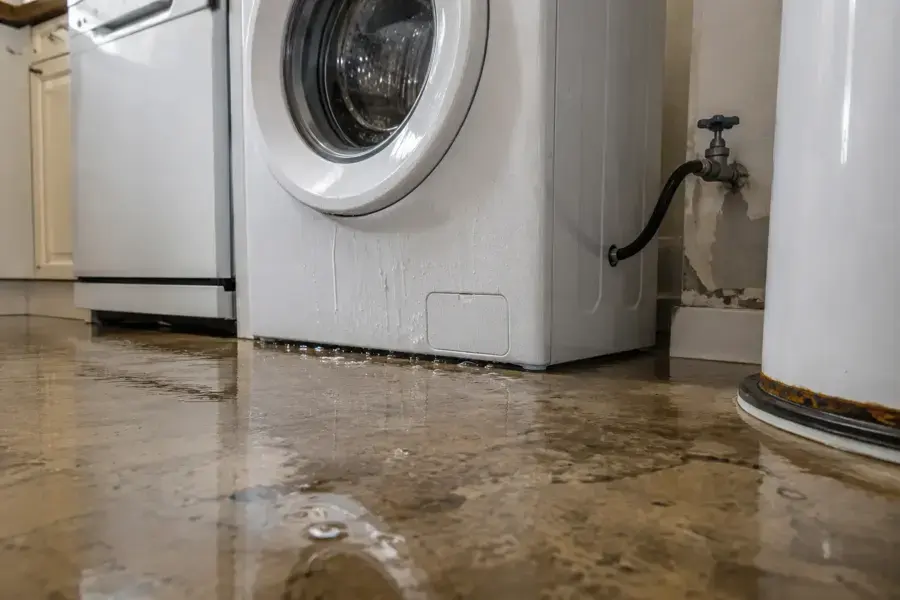 No. 10Appliance Leak CleanupWasher, dishwasher, fridge and ice-maker line failures cleaned up.View service
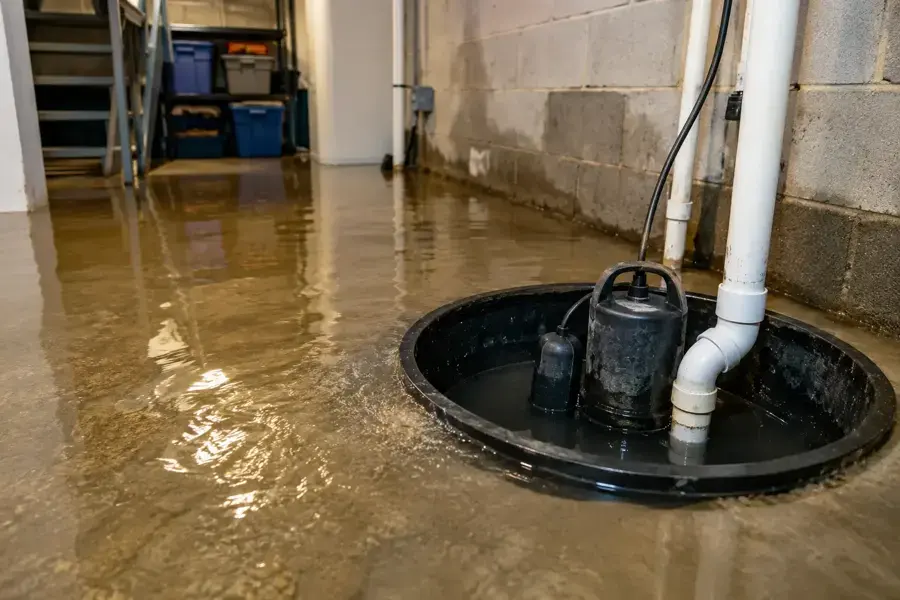 No. 11Sump Pump Failure CleanupA dead or overwhelmed pump in a rain storm, extracted and dried.View service
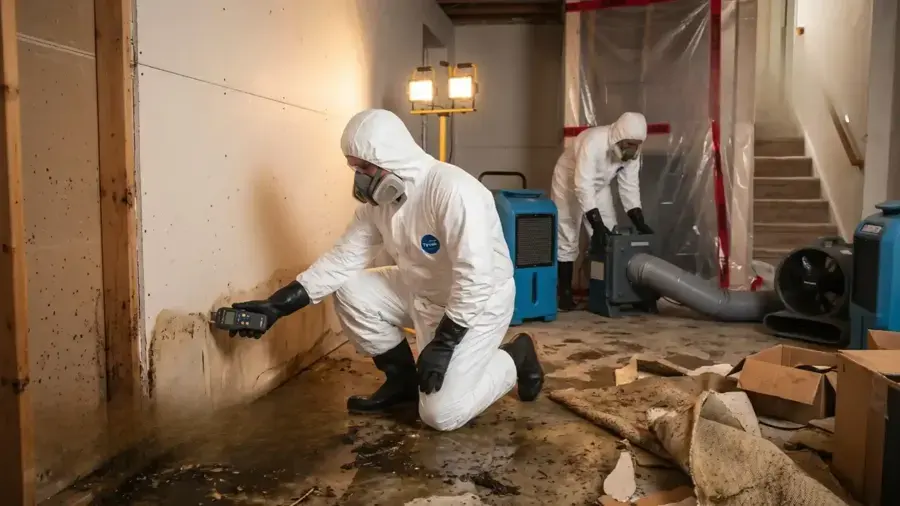 No. 12Sewage Backup CleanupCategory 3 backups contained, porous material removed, surfaces disinfected.View service
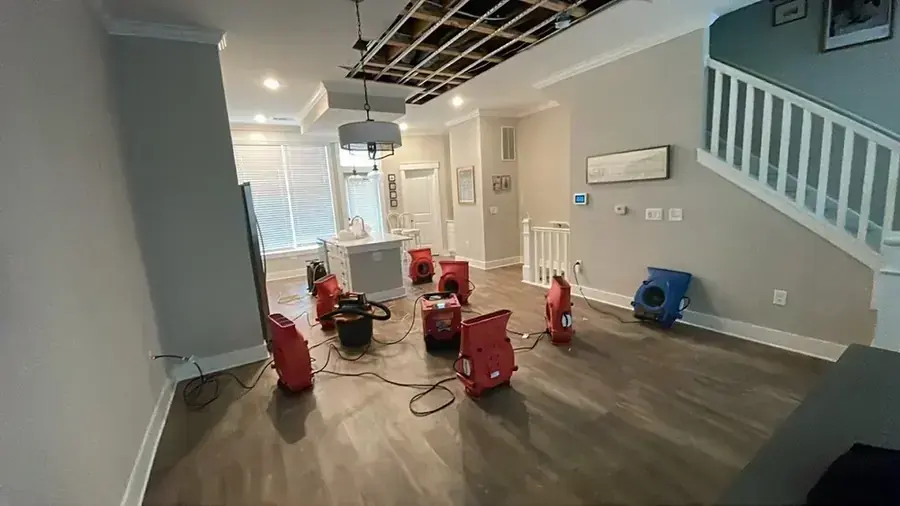 No. 13Structural Drying & DehumidificationFraming, subfloor and wall cavities dried to a verified S500 reading.View service
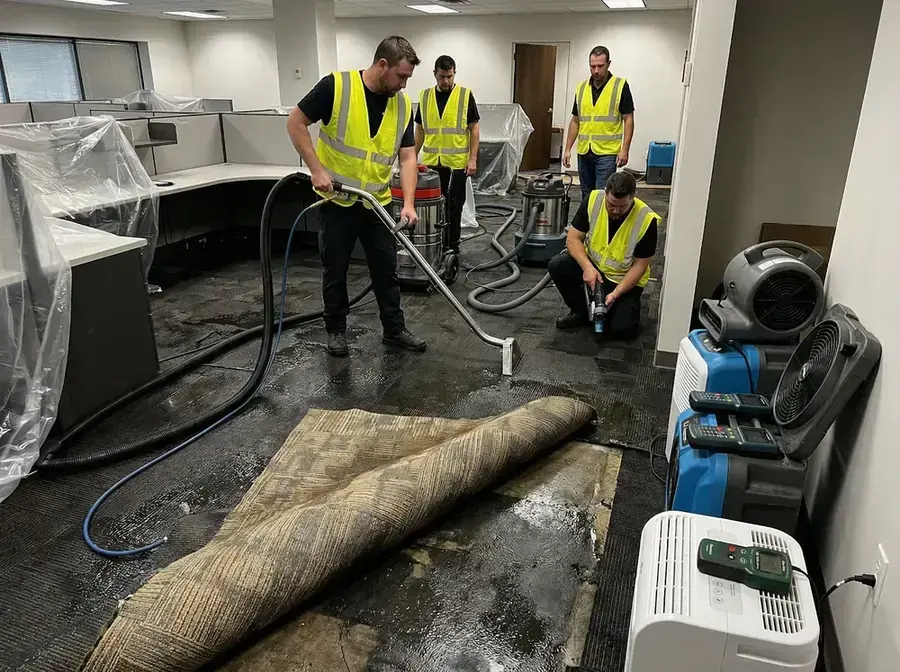 No. 14Commercial Water DamageOffices, shops and multifamily buildings dried with the doors kept open.View service
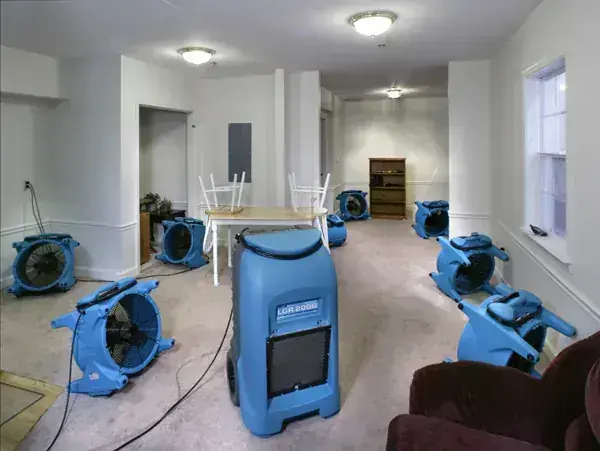
How the dry-out works
Water damage dried to the IICRC S500 standard
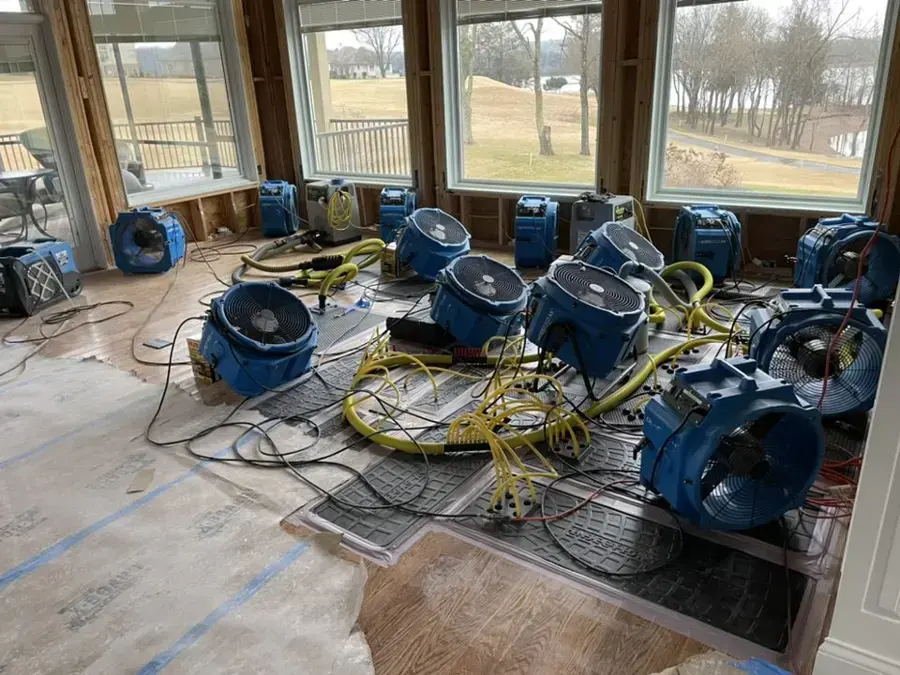
What separates a finished dry-out from a cosmetic one is the order of the work. The drying plan follows what is actually wet, not what looks wet, and the equipment stays until the readings say dry.
- 01
Moisture mapping
The tech who does the walkthrough maps wet walls, floors and cavities with pinless meters and thermal imaging before any equipment goes down.
- 02
Truck-mounted extraction
The extraction crew pulls standing water first, so it leaves the building instead of moving to the next room.
- 03
Air movers and LGR dehumidifiers
The drying team sizes equipment to the class of loss, with desiccants for dense Class 4 materials.
- 04
Daily readings to the goal
Readings are logged every day until wet materials sit within 2 to 4 points of a dry reference.
- Structural drying, not just surface
- Thermal imaging and pinless meters
- LGR dehumidification
How a water loss is handled
What sets a proper Everett dry-out apart
Rapid local response
The restoration team answers around the clock and dispatches right away, from the north Everett waterfront to Silver Lake and Paine Field.
IICRC S500 drying standard
Category 1, 2 and 3 water are handled differently, and Class 1 through 4 sets how much equipment each room gets.
Claim-ready documentation
Moisture maps, daily psychrometric logs and timestamped photos taken before any demolition go into the file.
Puget Sound water experts
Rain-season crawl spaces, old north-end basements and river lowland flooding are the everyday work here.
Water categories
All water damage categories covered in Everett, WA
Category 1, clean water
A burst supply line, a tub overflow or a failed water heater. Extracted and dried in place before it degrades.
Category 2, gray water
Washer and dishwasher discharge or groundwater on a floor. Surfaces are cleaned and treated during drying.
Category 3, black water
Sewage and river floodwater. Porous materials it touched are removed, not dried, then surfaces are disinfected.
See sewage backup cleanupTypical cost ranges
What does water damage restoration cost in Everett, WA?
In Everett, WA, water damage restoration typically runs $500 to $8,000 or more. The drivers are the water category, the square footage and levels involved, the material class of what got wet and how fast drying started.
Contained, one area
$500 to $2,000
- Clean supply water
- Extraction and air movers
- Daily moisture readings
Several rooms or a level
$2,000 to $5,000
- Crawl space or basement drying
- Some material removal
- LGR dehumidifiers
Contaminated or widespread
$5,000 to $8,000+
- Sewage or floodwater
- Containment and removal
- Full structural drying
Want a closer planning number? Try the water damage cost calculator or the drying time estimator.
Gallery
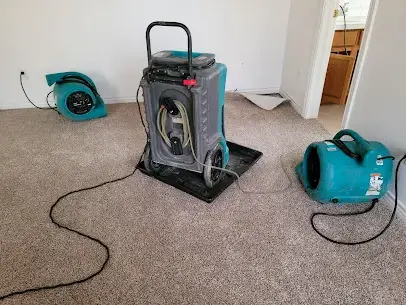
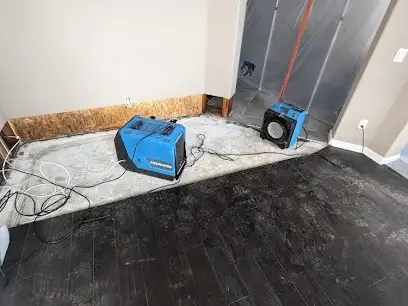
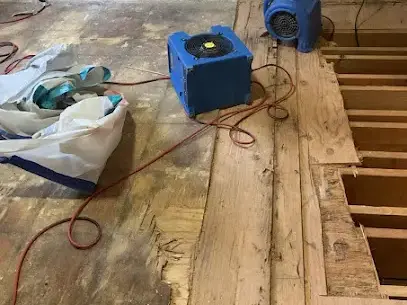
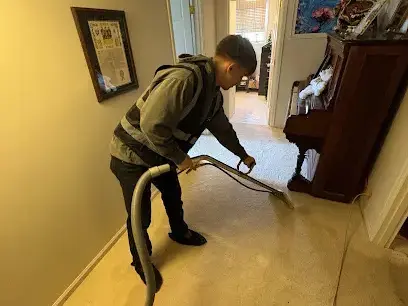
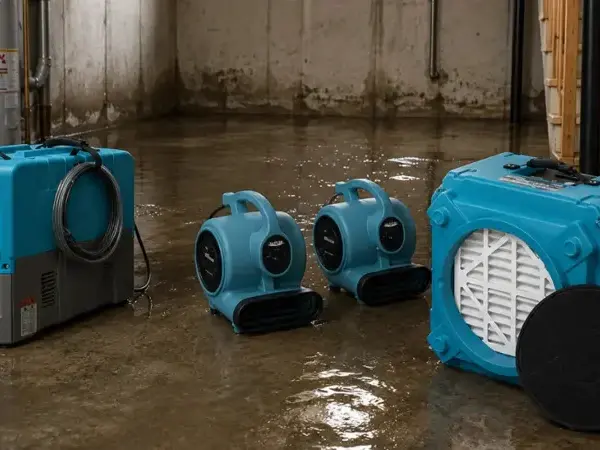
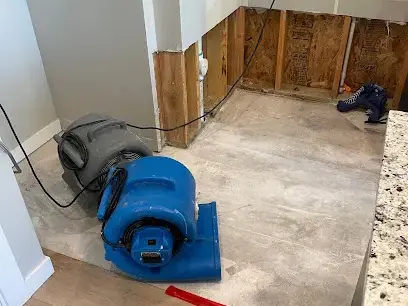
What a water damage dry-out looks like in Everett
Insurance
Documentation for your insurance claim
A water claim is decided on the file, not on the phone call. The restoration contractor who responds builds the file as the work happens.
Sudden and accidental discharge, such as a burst supply line, is treated differently from rising surface water, which falls under flood coverage. Coverage depends on your policy, so it is worth checking with your own insurer.
- The moisture map from day one, showing every wet area
- Daily psychrometric logs and material readings until dry
- Timestamped photos taken before any demolition
- The category and class of the loss, and its source
- A line-item scope in the format adjusters expect
Service area
Water damage restoration across Everett and Snohomish County
The restoration team covers every Everett neighborhood and ZIP, from the Port Gardner waterfront to Silver Lake.
Everett ZIP codes covered
- 98201
- 98203
- 98204
- 98206
- 98207
- 98208
- 98213
Across the county line of any of these ZIPs? Call anyway. The restoration team covers the neighboring Snohomish County cities too.
North Everett & the old town
- Northwest
- Bayside
- Delta
- Riverside
- Port Gardner
- Rucker Hill
Lowell & the river valley
- Lowell
- Valley View
- Snohomish River lowlands
Central Everett & the bluffs
- View Ridge-Madison
- Boulevard Bluffs
- Harborview-Seahurst-Glenhaven
- Pinehurst
South Everett & Silver Lake
- Silver Lake
- Westmont
- Holly
- Cascade View
- Evergreen
- Twin Creeks
- Glacier View
Neighboring cities
- Mukilteo
- Mill Creek
- Marysville
- Lake Stevens
- Snohomish
- Lynnwood
- Silver Firs
- Martha Lake
Local conditions
Water damage in Everett, WA: the local risk profile
Close to 40 inches of rain a year, most of it October through March, sets the pattern for water losses across Everett.
- Crawl spaces on glacial till. Rain perches on the dense hardpan under south Everett homes and pools under the floor.
- North-end sewer backups. Older combined sewer lines can push water up basement floor drains in heavy rain.
- River lowlands. Atmospheric rivers raise the Snohomish River along Lowell and the delta.
- Aging pipe. Galvanized supply in 1890s to 1940s houses, and polybutylene in some homes plumbed roughly 1978 to 1995.
- Cold snaps and moss. A hard freeze a few times a decade splits crawl space lines; moss-clogged valleys back rain into attics.
Answers
Everett water damage questions, answered
How fast can a restoration team respond in Everett?
The restoration team answers 24/7 and dispatches emergency water calls around the clock, including nights, weekends and holidays, across Everett and the neighboring Snohomish County cities. Water keeps spreading into subfloor and drywall until it is extracted, so the first call matters more than the first repair.
Is water damage covered by insurance?
Sudden and accidental water, such as a burst supply line or a failed water heater, is often covered on a homeowners policy after the deductible. Rising surface water usually needs flood coverage, and sewer backup often needs its own endorsement. Coverage depends on your policy, so it is worth checking with your own insurer.
What causes most water damage in Everett?
The long October to March rain season drives most of it: water in crawl spaces over slow-draining glacial till, groundwater in basements, roof leaks under moss-clogged valleys, sewer backups in the older north end and Snohomish River flooding in the lowlands. Supply-line, appliance and water heater failures happen year round.
How long does drying take?
A contained Class 1 loss, one room with low-porosity materials, usually dries in three to five days. Hardwood, plaster, crawl space framing and multi-layer floors take longer. The drying team compares daily readings against a dry reference in the same building and pulls equipment only when the wet materials land within 2 to 4 points of it.
What is IICRC S500?
IICRC S500 is the industry standard for professional water damage restoration. It sets how water is categorized, how equipment is sized to the class of loss and how dryness is verified with readings instead of by touch.
What should I do right now?
If it is safe, shut the water off at the main and cut power to wet circuits from a dry panel. Stay out of standing water near outlets, photograph the damage before moving anything, lift rugs and valuables off the floor, then call.
What is the difference between mitigation and repair?
Mitigation stops the damage from growing: extraction, removal of materials that cannot be saved, and structural drying. Repair, such as new drywall, paint and flooring, starts after the structure is verified dry.
When does drywall have to come out?
When it touched Category 3 water, when it is sagging or crumbling, or when readings show water trapped behind it that cannot be dried in place. Clean-water losses caught early often dry with small access holes instead of full cuts.
Why is sewage handled differently?
Sewage is Category 3 the moment it happens. The mitigation team sets containment and HEPA air scrubbers, removes porous materials it touched and applies an EPA-registered antimicrobial before any drying starts.
How is the cost calculated?
Cost follows the water category, the square footage and number of levels, the material class of what got wet and how fast drying started. Most Everett losses land between $500 and $8,000, with sewage and flood losses running higher.
24/7 emergency dispatch
Water in your Everett home right now?
Water damage response across Everett, WA and Snohomish County, day and night. The restoration team extracts, dries to the IICRC S500 standard and documents the loss.