Atmospheric rivers and river flooding
Storm and River Flood Cleanup in Everett, WA
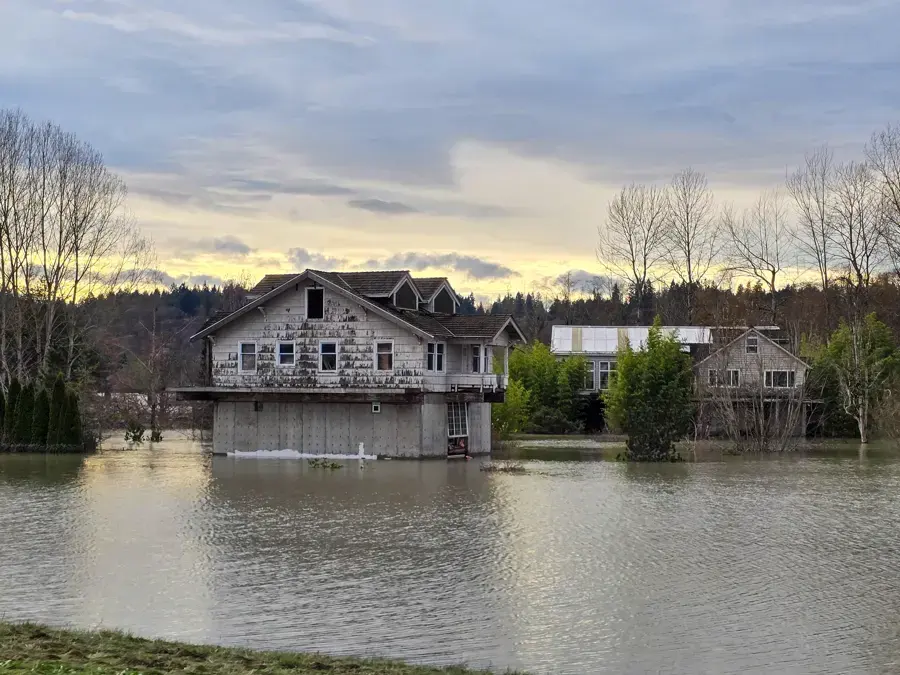
When an atmospheric river stalls over the Cascades, the Snohomish River rises and saturated ground pushes water into lowland homes. The restoration team treats floodwater as Category 3: extract, remove, disinfect, dry.
(888) 509-1696Get emergency water extraction started in Everett- 24/7 dispatch
- IICRC S500 drying standard
- Truck-mounted extraction
Do this now
What to do first after storm or river flooding in Everett
Stay out until power is off
Floodwater and live circuits are a deadly combination.
Wear boots and gloves
Floodwater is Category 3 and carries bacteria and fuel.
Photograph the high-water line
The mark on the walls helps the scope and the claim.
Do not run the HVAC
A soaked furnace or ductwork should be checked before use.
How the work is done
How storm & river flood cleanup is handled in Everett, WA
- 01
Contain and assess
The mitigation team sets containment and records the high-water line and category.
- 02
Extract and remove
The extraction crew pumps out water and removes porous materials the flood touched.
- 03
Clean and treat
Surfaces are cleaned and an EPA-registered antimicrobial is applied at its dwell time.
- 04
Dry and verify
The drying team runs air movers and LGR dehumidifiers and logs readings daily.
Typical cost ranges
What does storm & river flood cleanup cost in Everett, WA?
In Everett, WA, storm and river flood cleanup typically runs $3,000 to $20,000 or more. The drivers are the flood depth, the square footage and levels affected, how much porous material must come out and how quickly the work started.
Garage or crawl space
$3,000 to $6,000
- Pump-out
- Debris removal
- Antimicrobial
One finished level
$6,000 to $12,000
- Flood cuts
- Flooring removal
- Structural drying
Deep or multi-level flood
$12,000 to $20,000+
- Full gut of wet materials
- Containment
- Extended drying
Every loss is different. Run the numbers in the water damage cost calculator, and ask the restoration contractor who responds for a written scope after the walkthrough.
Atmospheric rivers carry long plumes of warm, wet air off the Pacific. When one stalls over the Cascades foothills it can drop days of heavy rain, and the Snohomish River rises through the lower valley along Lowell and the delta. Even away from the river, saturated glacial till sends runoff into garages, crawl spaces and daylight basements.
Flood sources the restoration team sees here
- Snohomish River high water in the lowlands east of the city
- Surface runoff pouring off hillside lots on the bluffs
- Street and storm drain overflow in older neighborhoods
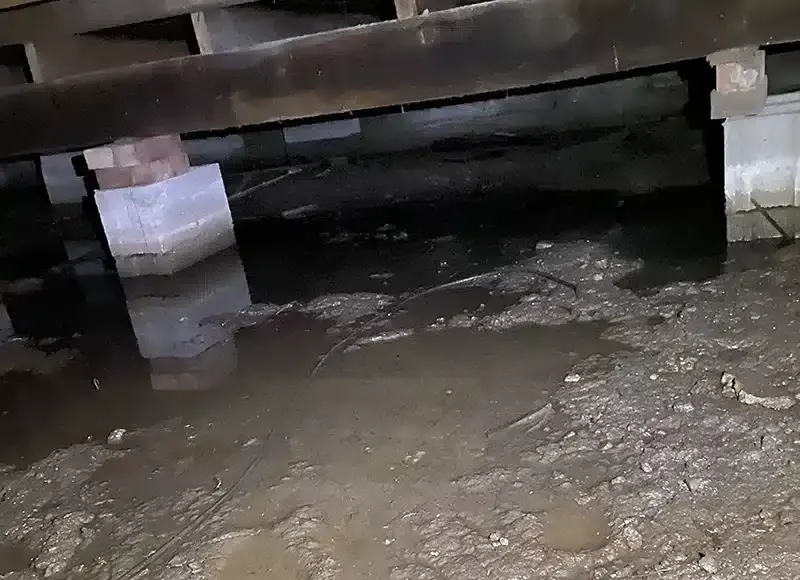
- Groundwater rising into basements and crawl spaces
Why floodwater is handled differently
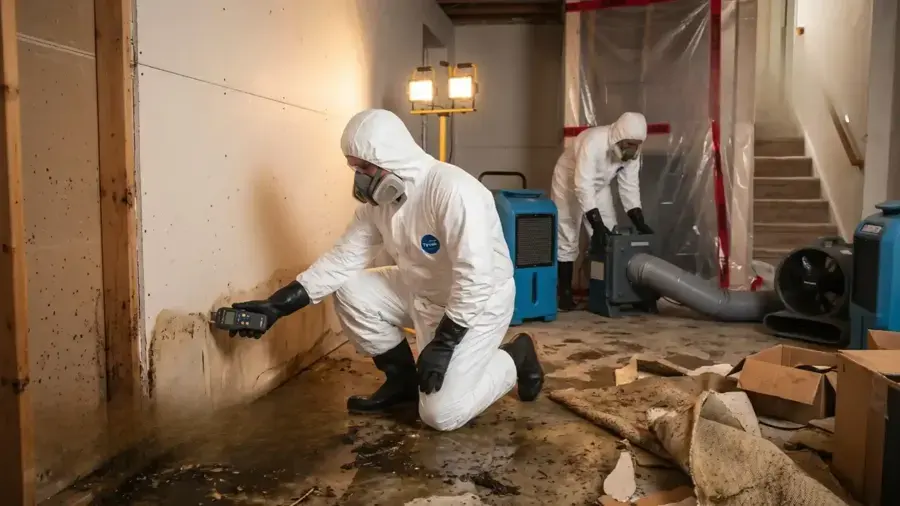
Water that crossed the ground outside carries soil, fuel and sewage. Under IICRC S500 it is Category 3, and porous materials it touched, such as carpet, pad, insulation and the lower section of drywall, are removed rather than dried. The mitigation team sets containment, extracts and removes the affected materials, applies an EPA-registered antimicrobial, and only then does the drying team set air movers and dehumidifiers.
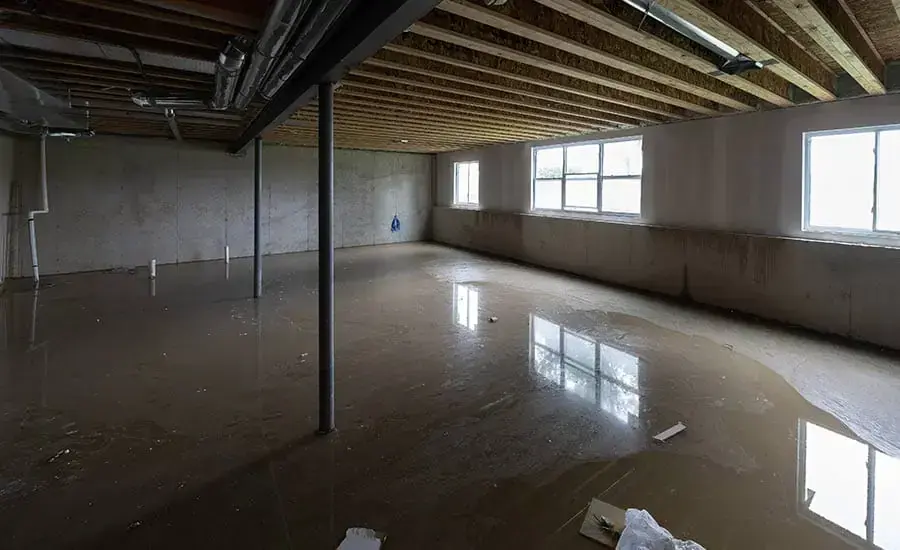
Floodwater inside after a storm? Stay out of it if power is still on, then call and describe how high it reached.
Call (888) 509-1696 for storm flood cleanup in EverettStaying safe after the water drops
Do not enter a flooded space until the power is off, and wear boots and gloves around floodwater. Ready.gov flood safety covers returning home, OSHA flood cleanup guidance lists cleanup hazards, and Snohomish County posts river and road updates during flood events.
Service area
Everett service area for storm & river flood cleanup
The same response covers every Everett neighborhood and the neighboring Snohomish County cities.
The Everett restoration crew works the whole city, north Everett and Lowell through the bluffs to Silver Lake and Paine Field, plus Mukilteo, Mill Creek, Marysville, Lake Stevens and Snohomish.
ZIP codes 98201, 98203, 98204, 98206, 98207, 98208 and 98213.
See every neighborhood coveredRelated
Related water damage services in Everett
Answers
Storm & River Flood Cleanup questions, answered
Is river floodwater really that dangerous?
Yes. Floodwater that crossed the ground outside is Category 3 and can carry sewage, fuel and bacteria. Treat anything it touched as contaminated until it is cleaned or removed.
Can carpet or drywall be dried after a flood?
Not when floodwater touched it. Porous materials soaked by Category 3 water are removed; framing and concrete are cleaned, treated and dried.
When is flood season in Everett?
The biggest river and storm events usually come between November and February, when atmospheric rivers stall over the Cascades and the ground is already saturated.
Does homeowners insurance cover flooding?
Standard homeowners policies usually exclude rising surface water; that falls under flood coverage, often through the National Flood Insurance Program. Coverage depends on your policy, so it is worth checking with your own insurer.
How long does flood drying take?
After removal and cleaning, drying usually takes several days to two weeks depending on the depth, the materials and the weather.
Should I wait until the river goes down?
Start with safety: stay out until power is off and the water has dropped. Once it is safe, extraction should begin quickly, because saturated framing keeps getting wetter.
24/7 emergency dispatch
Dealing with storm or river flooding in Everett right now?
Water keeps moving into subfloor, framing and drywall until it is extracted. The restoration team answers 24/7 and dries to the IICRC S500 standard.